When love feels like grasping
You reach. They pull back. You reach harder. The whole nervous system tilts toward them and stays there, until you can't feel your own ground anymore. You're aware of this pattern but you can't seem to stop.
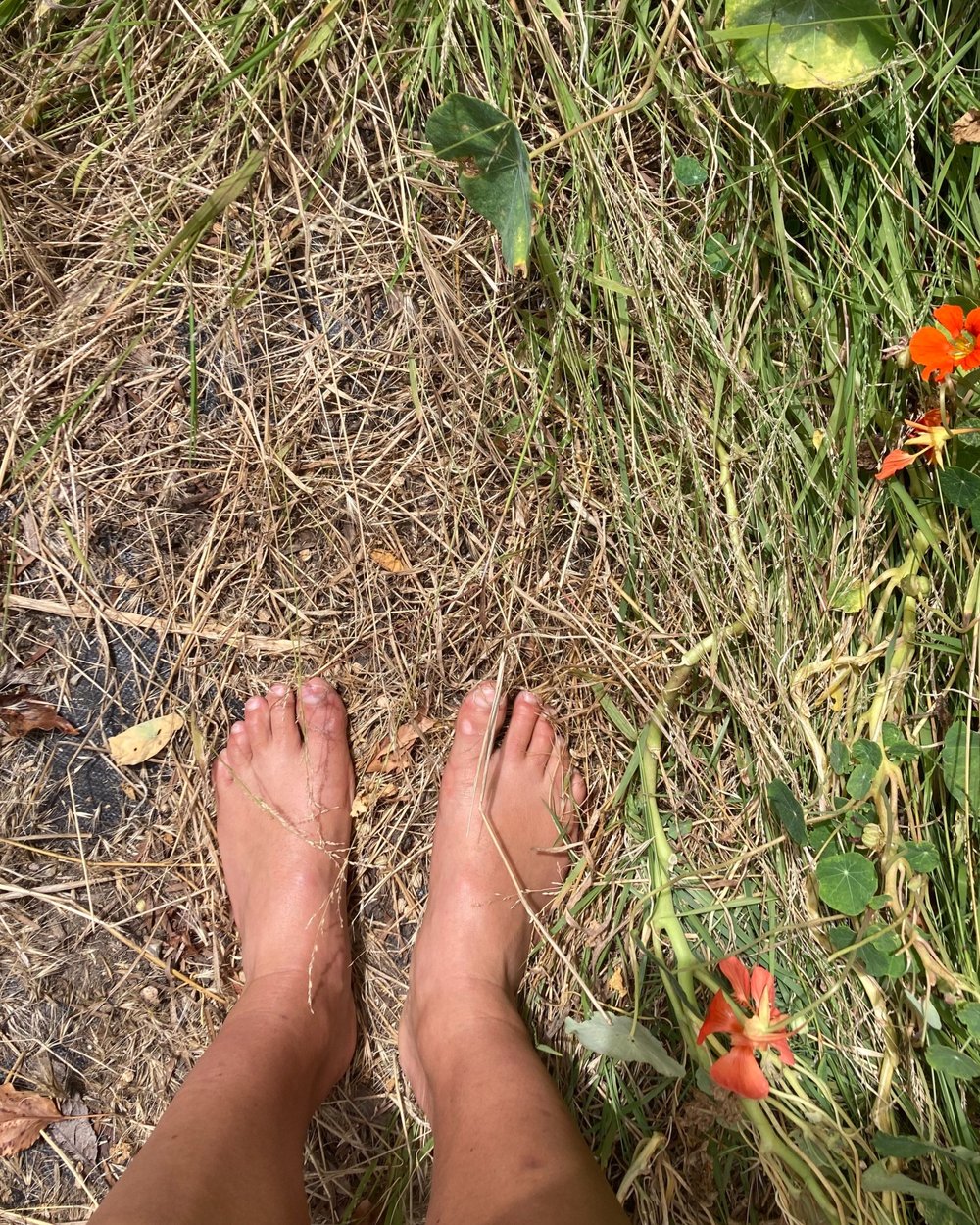
The graspy heart isn't a flaw. It's a body that learned love wasn't reliable.
Somewhere early on, the people who were supposed to be steady weren't—not consistently. So your body learned to track them. To anticipate. To pull them closer before they could drift. That tracking system is still running, every day, underneath your adult relationships.
It's not weakness. It's a brilliant strategy that's outlived its usefulness. And it can be unwound—but not by thinking your way out of it.
Does this sound like you?
- You reach for the phone before you've checked in with yourself—and the silence between texts feels like the floor dropping.
- When they pull back, your chest braces and your stomach knots. You can't locate yourself until you hear from them.
- You shape-shift to keep them close. You go quiet about what you actually need so they don't feel pressured.
- You replay conversations in your head, scanning for the moment you were too much, too needy, too eager.
- The closer they get, the more you brace for them to leave. The farther they get, the harder you reach.
- You've read the books. You know the attachment style names. The pattern still hijacks you the second a text goes unanswered.
- There's a part of you that's still waiting for someone to come back. You can feel her, just under the surface, every time.
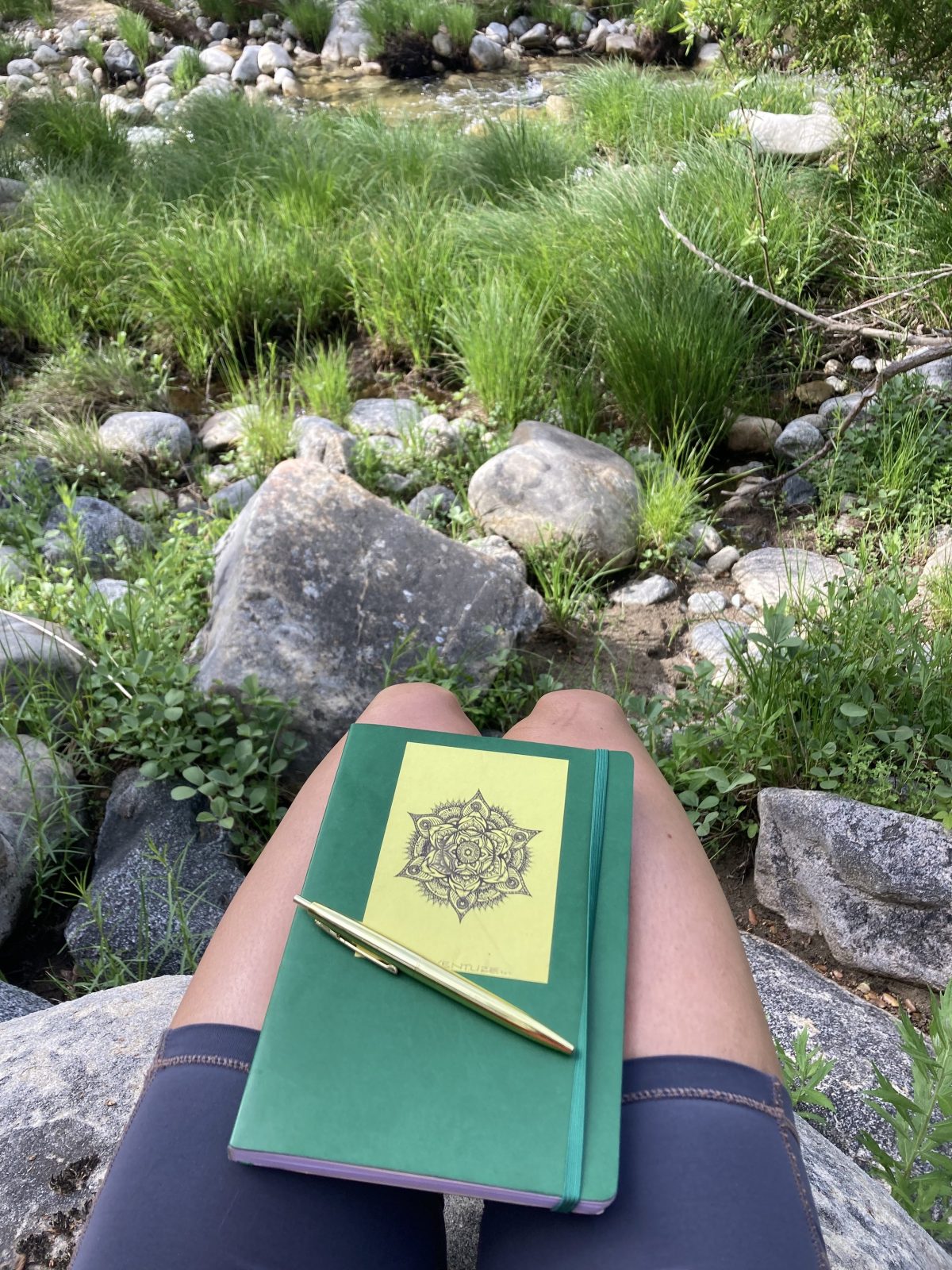
How we work with this together
You can't logic your way out of a nervous system that's still scanning for abandonment. The shift happens lower than thought—in the body, with someone steady there to help you stay with what comes up instead of acting on it.
We turn the attention back toward your own body. The whole pattern lives in monitoring them—their tone, their face, the gap between texts. We slow that down and practice noticing what's happening in your chest, your throat, your gut, before you reach.
We listen to the part of you that's still waiting. There's a younger version of you who learned that love disappears, and she's the one driving the grasping. We talk to her instead of overriding her. She gets to say what she needed and never got.
We let your body finish what it never got to. We twist a towel, push against a wall, find the voice in your throat that got silenced the first time someone walked away. Your nervous system gets to discharge what it's been holding for decades.
What changes when this work lands
- The gap between texts stops feeling like the floor dropping.
- You can feel your own body when they're upset, instead of disappearing into theirs.
- You stop shape-shifting to keep someone close. You start showing up as yourself and seeing who actually stays.
- The compulsion to reach eases. You can let a moment of distance exist without needing to close it.
- You stop reading every shift in their tone as proof they're leaving.
- You build the felt sense of internal safety you didn't get the first time around.
The work behind this
I draw on somatic therapy, Internal Family Systems, and EMDR— working with the body, with the part of you that's still waiting, and with the early experiences that taught your nervous system love wasn't reliable. You don't need to know any of these by name to do the work.
Ready to stop bracing for them to leave?
Book a free 20-minute consultation. No pressure, no script— just a chance to see whether this is the kind of work you've been looking for.
Get in Touch